Digital language moves fast. Shortcuts, abbreviations, and slang pop up daily, especially in texts and social media. One of those tiny but powerful terms is FW Meaning in Text, which often leaves people guessing. Is it agreement, dismissal, or something else entirely?
Today, “FW” appears in casual chats, workplace emails, and even online forums. Its meaning shifts depending on tone, context, and platform. Because of that, understanding it goes beyond a simple definition—it’s about reading between the lines.
In the United States, where texting culture shapes daily communication, “FW” carries both practical and emotional signals. Let’s break it down clearly so you can recognize what it really means when someone uses it.
Quick Answer
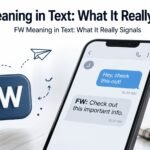
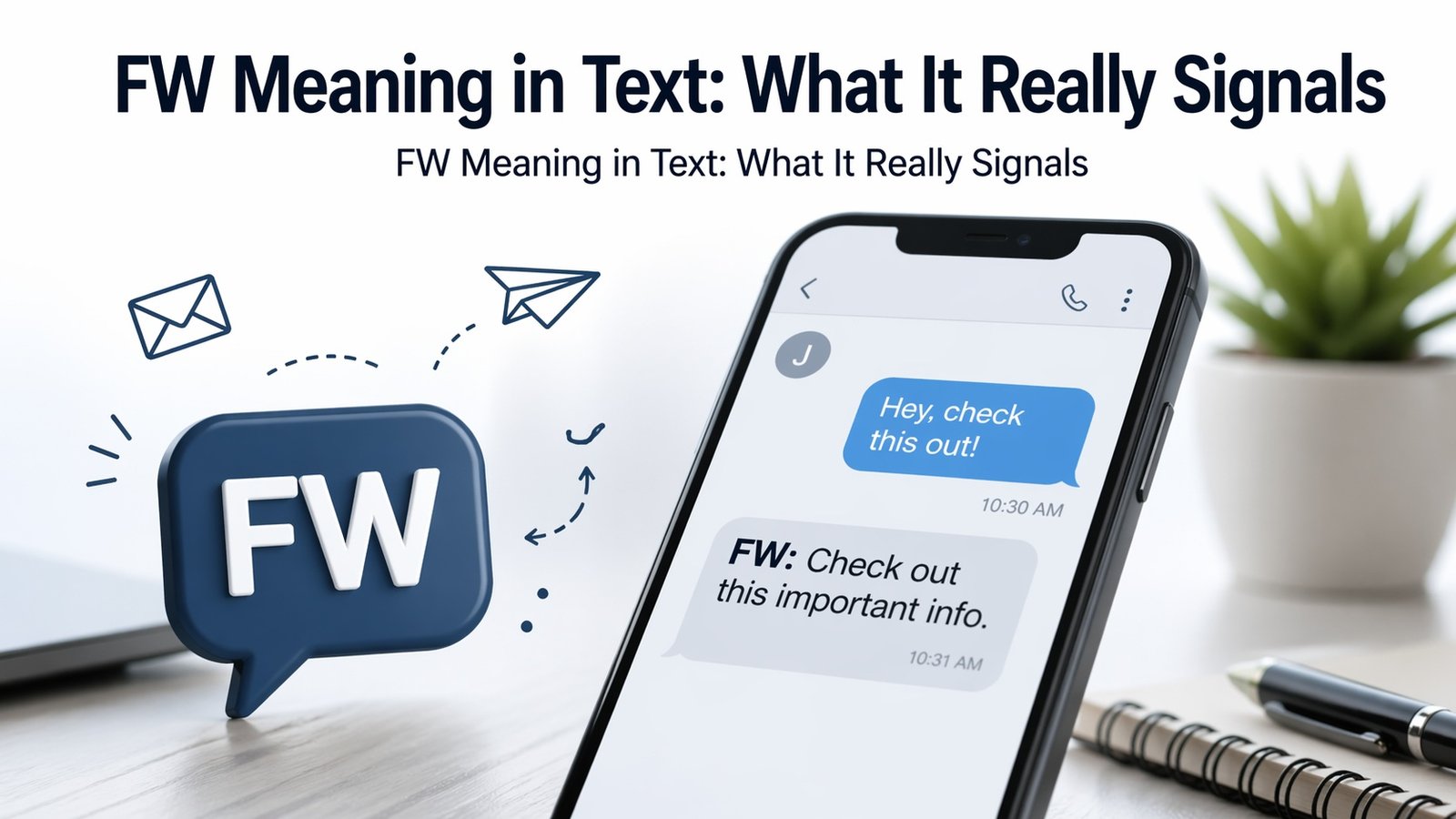
FW Meaning in Text usually stands for “f*** with” or “forward,” depending on context. In the USA, it often signals agreement (“I fw that”) or sharing content (“FW: email”), while broader meanings depend on tone and platform.
TL;DR
• “FW” commonly means “f*** with” (like or support)
• It can also mean “forward” in emails or messages
• Tone matters—can be positive, neutral, or dismissive
• Popular in US texting, social media, and youth culture
• Meaning shifts based on context and relationship
What Does FW Mean in Text?
“FW” is a short abbreviation with two main meanings. While simple on the surface, it carries different tones depending on how it’s used in conversation.
Common Definitions
• “F*** with” meaning support, like, or agree
• “Forward” used in emails or shared messages
• Sometimes used casually as acknowledgment
• Meaning depends heavily on context and tone
Why It Matters
In American communication, brevity is key. People want to say more with fewer words. “FW” fits that pattern perfectly. However, misunderstanding it can change how you interpret a message.
Where Did FW Come From?
Like many slang terms, “FW” didn’t appear overnight. It evolved alongside texting culture and internet communication.
Early Digital Roots
The “FW” abbreviation first appeared in email systems. It meant “forward,” used to share messages with others. This usage is still common in professional settings today.
Rise of Slang Usage
Later, in hip-hop culture and online communities, “f*** with” became popular. People shortened it to “FW” for quick typing. Over time, it spread into mainstream American texting.
Cultural Influence
• Hip-hop and urban slang shaped its meaning
• Social media accelerated its spread
• Messaging apps made abbreviations more common
• Younger generations adopted it first
FW Meaning in American Texting Culture
In the United States, “FW” reflects how people communicate quickly and casually. It’s more than just shorthand—it signals attitude.
Everyday Usage
• “I fw that song” = I like that song
• “You fw him?” = Do you trust or like him?
• “FW: Meeting Notes” = Forwarded email
Why Americans Use It
Speed matters in texting. People want fast, expressive communication. “FW” allows them to share opinions without typing full sentences.
FW Meaning on Social Media
Social media platforms amplify the meaning of “FW.” It often carries a stronger emotional tone here.
Common Social Uses
• Showing support for trends or content
• Agreeing with opinions or statements
• Reacting to memes or videos
• Expressing loyalty to people or brands
Tone Shifts
Unlike email, social media usage leans on emotion. Saying “I fw this” feels more personal than simply saying “I like this.”
Emotional and Psychological Meaning of FW
Words shape feelings. Even small abbreviations like “FW” carry emotional weight.
What It Signals
• Approval or validation
• Trust or connection
• Shared taste or identity
• Casual confidence in expression
Subtle Emotional Cues
Sometimes “FW” can feel distant or informal. For example, saying “I fw it” might seem less enthusiastic than “I love it.”
FW Meaning Across Different Contexts
Context changes everything. The same abbreviation can mean something completely different depending on where it appears.
Comparison Table
| Context | Meaning in the USA | Common Associations | Notes |
| Text Messages | Like or support | Casual, friendly tone | Most common modern use |
| Forward message | Professional, neutral | Traditional usage | |
| Social Media | Approval or agreement | Trendy, expressive | Often emotional |
| Workplace Chat | Forward or acknowledge | Semi-formal | Depends on company culture |
| Online Forums | Mixed meaning | Context-driven | Can confuse new users |
Is FW a Positive or Negative Term?
Most of the time, “FW” is positive. However, tone and context can shift its meaning.
Positive Uses
• Showing support or liking something
• Agreeing with someone’s opinion
• Expressing trust in a person
Neutral or Negative Uses
• Can sound indifferent in some contexts
• Might feel vague or non-committal
• Misuse can cause confusion
Read More: Mhm Meaning in Text: What It Really Signals
Cross-Cultural Meanings of FW
Outside the United States, “FW” may not carry the same emotional tone.
Global Interpretation
• In many regions, it only means “forward”
• Slang meaning may not be widely understood
• Can lead to miscommunication in global chats
Cultural Differences
Because slang evolves locally, American usage of “FW” may feel unfamiliar or unclear in other cultures.
FW in Modern Identity and Expression
Language reflects identity. “FW” has become part of how people express themselves, especially online.
How People Use It Today
• In captions and comments
• In texting among friends
• In memes and viral content
• As a marker of belonging to digital culture
Identity Signals
Using “FW” can signal that someone is comfortable with modern slang and casual communication.
Misunderstandings and Controversies
While “FW” seems harmless, it can still cause confusion.
Common Misunderstandings
• People assume it always means “forward”
• Others miss the slang meaning entirely
• Tone can be misread in serious conversations
Sensitive Contexts
Because one meaning includes profanity, it may not be appropriate in formal settings. Choosing when to use it matters.
How FW Meaning Has Changed Over Time
Language evolves. “FW” is a perfect example of that shift.
Then vs Now
• Originally meant “forward” in emails
• Later adopted as slang for “f*** with”
• Now used widely in casual communication
What’s Changed
The meaning expanded from purely functional to emotional. Today, it reflects personality and tone, not just action.
When Should You Use FW?
Knowing when to use “FW” helps avoid confusion.
Best Situations
• Casual conversations with friends
• Social media posts and comments
• Informal group chats
When to Avoid It
• Professional emails (unless meaning “forward”)
• Formal communication
• Conversations with unclear context
FAQs
What does FW mean in texting?
It usually means “f*** with,” which signals liking or supporting something. However, it can also mean “forward” depending on context.
Is FW rude or inappropriate?
Not always. However, the slang version includes profanity, so it may not suit formal settings.
What does “I FW you” mean?
It means “I like you” or “I support you.” It often shows trust or appreciation.
Does FW mean the same on all platforms?
No. In emails, it means “forward.” On social media, it usually means agreement or approval.
Is FW commonly used in the USA?
Yes. It’s widely used in American texting and social media, especially among younger users.
Can FW be misunderstood?
Yes. Without context, people may confuse its meaning or tone.
Conclusion
Language keeps evolving, and small terms often carry big meaning. FW Meaning in Text shows how communication shifts from formal to expressive over time. What started as a simple email label now signals agreement, identity, and emotion in everyday conversations.
In the United States, “FW” reflects a culture that values speed, personality, and connection in communication. However, its meaning depends on context, tone, and audience. That’s why understanding it helps you read messages more accurately—and respond with confidence.
As digital language keeps changing, staying aware of terms like “FW” helps you stay in the loop without missing the deeper message behind the words.